You will find them at Kakadu National Park, the Adelaide or Daintree Rivers, on Cape York Peninsula and in the Kimberley of Western Australia. But for the average traveller, there is no better way to go than a wildlife tour or boat cruise in the vicinity of Darwin; it is by far the safest and easiest option, put on by operators who know the tides, the habitat and how the animals are likely to behave.
I am Georgia Wainwright. I write on beauty and lifestyle but when it comes to Australia I take a more pragmatic view: read the instructions before you get to enjoying yourself. One does not treat a wild crocodile as an oversized lizard that will hold still for a photo. They are predators of a sort. Common sense and a good lather of sunscreen should be part of any viewing in Australia, along with heeding the signs.
Where To See Them
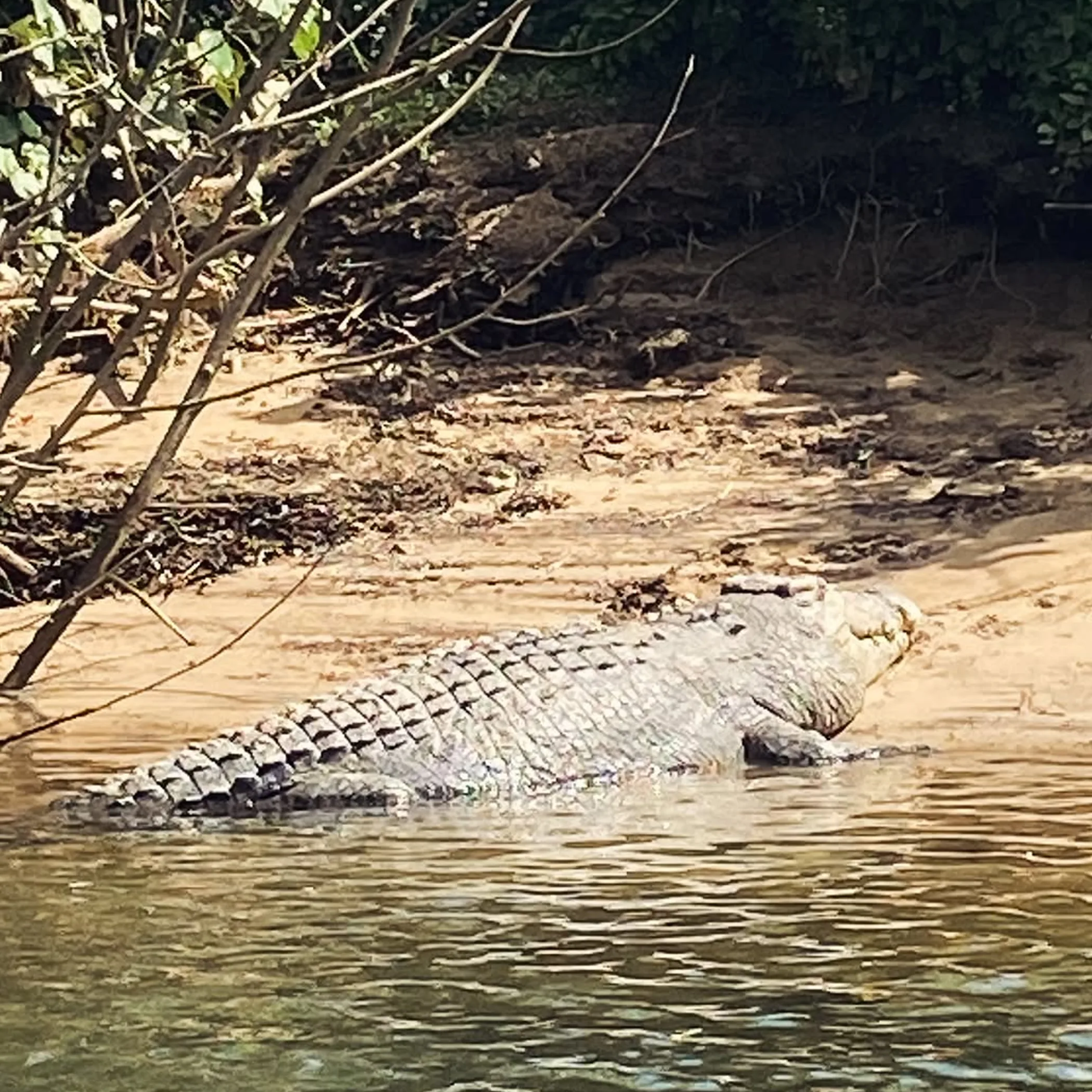
The saltwater or estuarine crocodile is found throughout the tropical north, from the Northern Territory to Queensland and Western Australia. While freshwater varieties are in some of the waterways up north, the more compelling sight is invariably the saltwater croc. Learn more about the biggest saltwater crocodile.
Your travel style will dictate the best spot. Darwin and Kakadu have the roads and cruises for those making their first visit. If you are already in Far North Queensland the Daintree River is a natural choice. The Kimberley and Cape York are for those with the transport and fortitude to handle more isolated conditions.
A Traveller’s Quick Comparison
| Location | Best For | Access | Typical Experience |
|---|---|---|---|
| Kakadu National Park | Wildlife and cultural landscapes of the wetlands | Self-drive or a guide from Darwin | Seasonal wetlands and rivers |
| Adelaide River | Good for first-timers | An easy day out of Darwin | Close but safe viewing on a guided vessel |
| Daintree River | Short cruise | From Cairns or Port Douglas | Estuarine crocs in the mangroves and rainforest |
| Cape York Peninsula | Untamed bush and large waterways | For the seasoned road-tripper on four-wheel-drive | |
| Kimberley And Ord River | Remote gorge and river country | Scenic travel by tour or well-planned self-drive |
Do not expect a national count to inform you of what you will see in any given river. It is a matter of luck as much as anything, and of the noise of the boat, the tides and the temperature. Three crocodiles at their natural can make for a better tour than a dozen indistinct lumps in the water.
Kakadu And Adelaide River
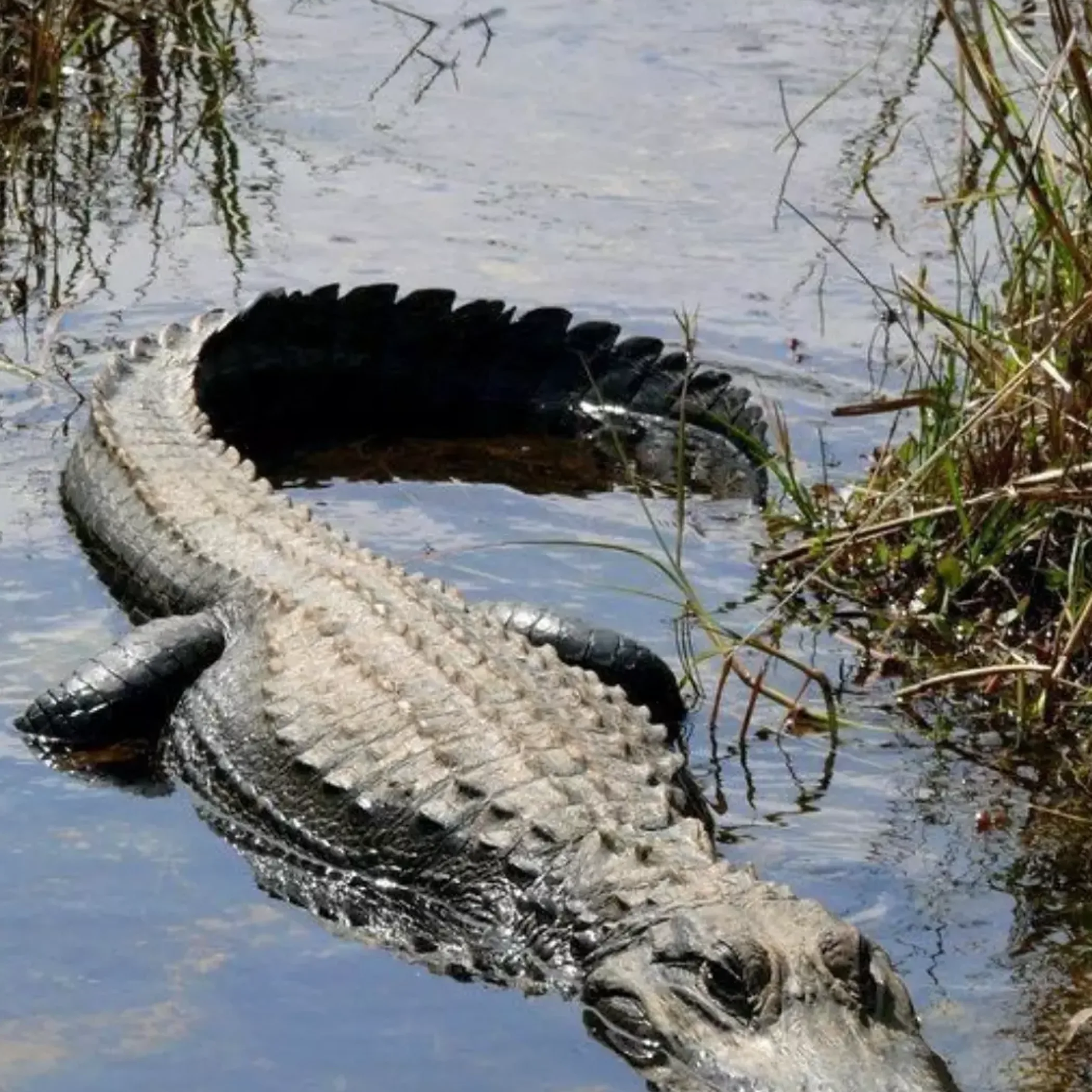
Kakadu is a top all-round bet in Australia for wild crocodiles. There are rangers on hand and proper facilities in the park, and one can explore the habitat without having to putter about near the water. The Adelaide River is less trouble if the crocs are your object. A short hop from Darwin, the commercial cruises here have staff to tell you why a crocodile puts on a different act in the dry season from the wet.
Yellow Water Billabong
In Kakadu this is perhaps the most recognised place for crocodile viewing. From the vantage point of a boat you may come across magpie geese, sea eagles and the like in the wetlands. The schedule of the boat may be orderly enough but the wildlife is not.
Before you head out of Darwin, put in a call for the latest on water levels and weather. The visitor information at the official Kakadu site is where to start for any alerts or planning.
Cahills Crossing
It has a reputation for the numbers of crocodiles that put in an appearance around the crossing to feed on fish and moving water. It is also where people tend to be remiss about safety. Do not be tempted to stand on a shaky edge or see how close you can get. The area is not to be trifled with.
Tides and water can turn on you. Heed the ranger and the warning signs. Just because someone else is on a bank that looks dry does not make it so. In croc country confidence is no substitute for caution.
Adelaide River Boat Cruises
If you want an introduction to a crocodile tour in Australia, make it the Adelaide River. As the boats make their way through the habitat, the guide will be on hand to cover feeding patterns and body size and the distinctions between the saltwater and freshwater species. Factor in the drive from Darwin, check-in and the cruise itself for the return and you will have put in most of a day. Those making their own way should be sure to have water on hand, plan for fuel and sun protection; if not driving, there are wildlife tours in Darwin that will put you on the water and handle the transport.
Top Queensland Viewing Spots
One can come across crocodiles in a number of ways in Queensland, be it on the Daintree River close to Cape Tribulation or in the more expansive waterways of the Cape York Peninsula. The Daintree is the easy option for many. Then there is Cape York for the sort of traveller who does not mind long hauls, poor roads and a dearth of services.
Crocodiles are to be found in rivers, estuaries, coastal wetlands and mangrove creeks throughout the state. In the rainforest the Daintree River has an air of calm, even domesticity, but do not let the animals think the same. Heed any warning signs and stay clear of the riverbanks and beaches.
Daintree River Cruises
For anyone put up in the Daintree, Port Douglas or Cairns, a wildlife tour of the Daintree makes sense. You will find these cruises run to a shorter timetable than a full day in Kakadu, which is convenient for a couple or family with a rainforest itinerary to put together.
Do not be surprised if your drive time exceeds what the map says once you have accounted for ferries, meals, the odd bit of wildlife and the twists in the road. Make certain you have daylight to spare to get back, especially when your accommodation is some distance from the Daintree proper. And before you set off, see what the local conditions are like; in the wet season you may encounter access changes and swollen waterways.
Cape York’s Remote Waterways
If you want a proper remote bush outing as opposed to a tidy wildlife appointment, head to the Cape York Peninsula. Crocodiles can be seen about the larger rivers, billabongs and coastal systems though one cannot count on it and getting there is at the mercy of the roads and any seasonal closures.
Many of the routes on Cape York call for a four-wheel-drive in good order, recovery gear, a means of communication and plenty of fuel. There are also matters of protocol with Aboriginal land where permission or a permit is needed; show respect for the communities and cultural sites. This is no place to make things up after a tinnie and a cursory look at the map.
Crocodiles In Western Australia
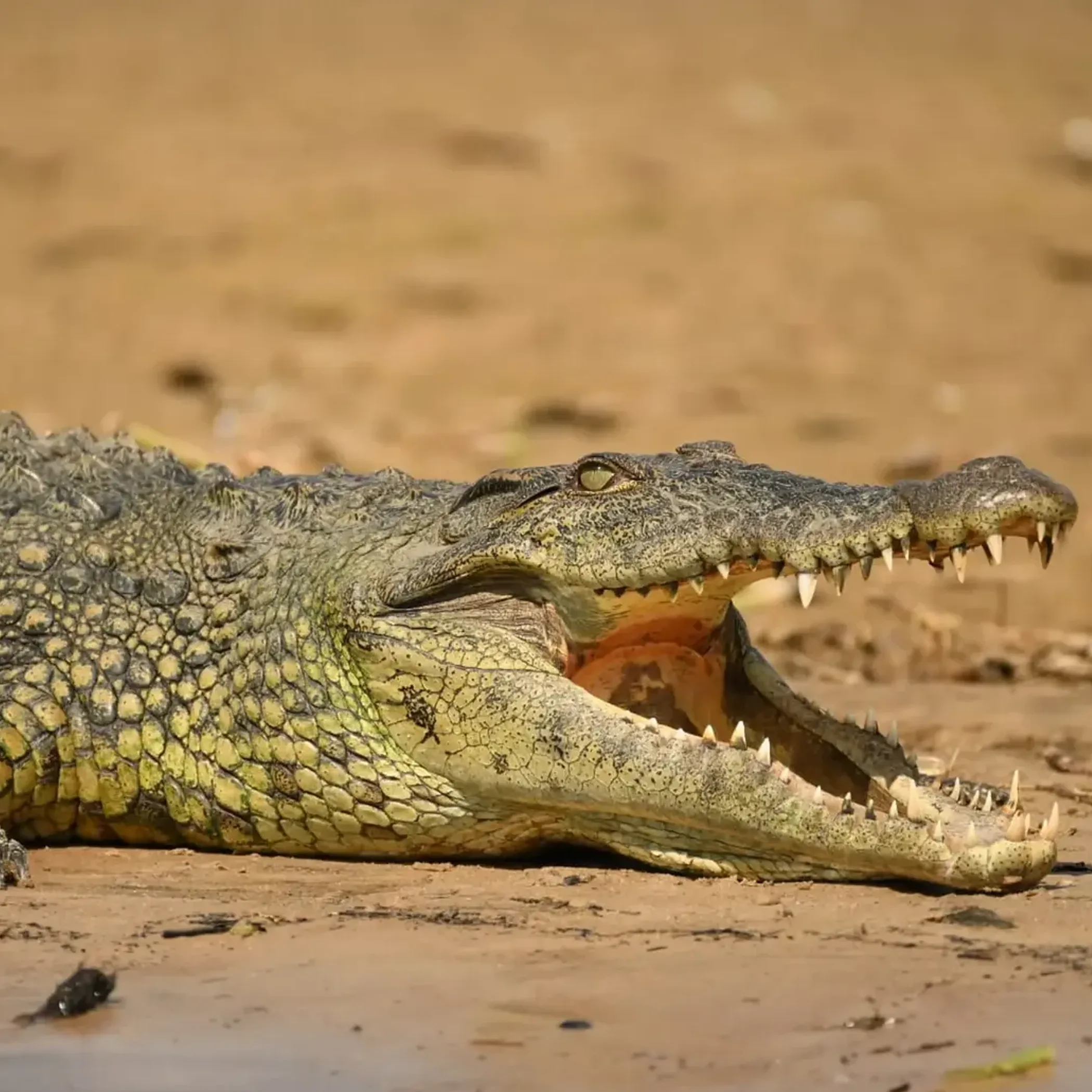
The Kimberley in Western Australia is home to some of the country’s more isolated crocodile viewing. Guided river cruises are the safest way for a visitor to be introduced to the saltwater crocs that inhabit the Ord River by Kununurra, the tidal waters of the Kimberley and other select coastal spots.
Careful planning is called for in the Kimberley. The Gibb River Road is rough as guts, you can lose mobile reception and the distances are considerable. In the wet season access is often curtailed. You are better off with a guided expedition than hoping for a croc from the side of the road.
Ord River Planning Tips
Travellers in the vicinity of Kununurra will find the Ord River well worth it. The scenery is as much a part of the cruise as the wildlife, although the nature of the experience is dictated by the tour format and the water. Some cruises have different points of departure or need you to be put on from town so verify this in advance. Put aside time for boarding and the vagaries of the weather. When driving deeper into the Kimberley, see to your fuel and lodging while you are still in a sizeable town.
Kimberley Safety Realities
It is not want of enthusiasm that gets people in the Kimberley but a failure to appreciate how far away things are. An hour or two on corrugated roads can be had for what seems near at hand on paper, and a minor mechanical trouble is a logistical headache without a service station to hand.
Stick to the marked tracks and do not camp by a waterway unless the authorities have given the all-clear for the site. From November through April expect the elements to have their say on your route with flooding, cyclones or bushfire risk. That is just how it is.
Choosing A Safe Crocodile Tour
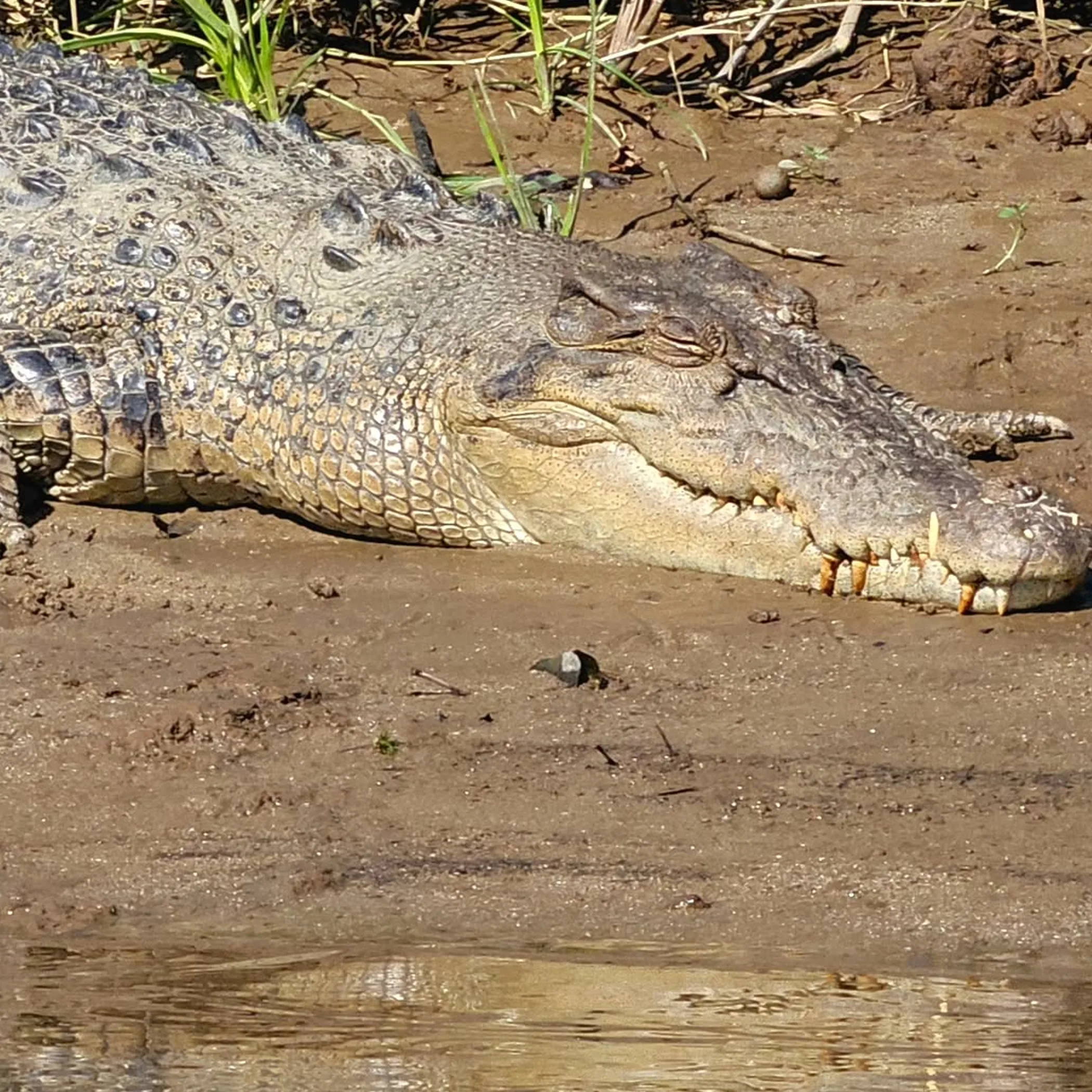
A reputable operator will have experienced guides and some barriers between you and the wildlife. They will lay down the law on safety and the rules for the viewing areas prior to leaving and will not be above changing plans if the tides or storm make for unsuitable conditions. Do not be taken in by a guide who would have you act recklessly for a photo or talk of guaranteed sightings; the expert lets the animal be. Should you come across a company that does not take its rules seriously, go elsewhere.
Boat Cruise Or Self-Drive
Most visitors will find a boat cruise to be the way to go, what with the local expertise and the fact that it puts you on a controlled platform for your viewing. One can drive oneself in national parks or where there are facilities for it, but then warning signs, tides, the weather and any access notices have to be heeded and safe vantage points found.
If you are putting together an itinerary for Darwin for the day, do not try to fit in both an Adelaide River and a Kakadu wetlands cruise in a hurry; make one of them your priority. With two or three days at your disposal, pair Darwin and Kakadu and put aside time for an early start and whatever the road and park walks may present. Book ahead for the good tours in the dry season when things are at their busiest.
Who is best advised to forgo the remote routes?
The likes of Cape York and the Kimberley are no place for a driver without experience or knowledge of recovery, or anyone who would be at ease being hours from medical or mechanical help. A family with small children might opt for the order of a cruise where the platforms and amenities are to hand. Those with mobility issues should put some questions to the operator as to boarding ramps, steps, toilet access and how much standing is involved; mosquitoes, glare and the heat can take it out of you on even an unassuming cruise. Have sensible shoes, insect repellent, a hat and covered clothing with you, as well as water.
Viewing Windows by Season
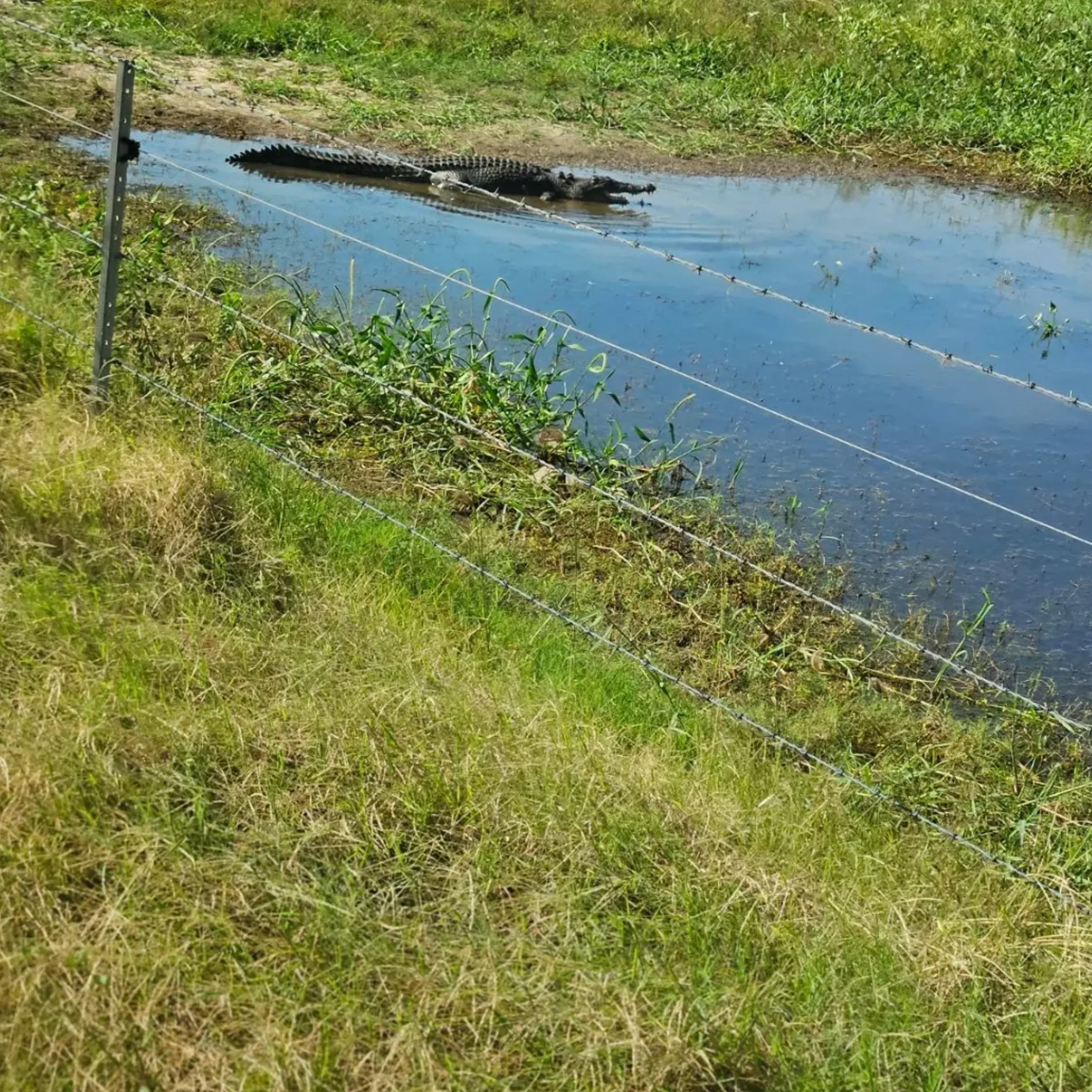
What you get out of a trip and your destination will dictate when the right time is to spot crocodiles in Australia. The dry season in the Top End and Kimberley tends to offer more predictable tours and conditions for sightseeing and better road access. The wet has its dramatic landscapes and active waterways but flooding, cyclones and rain can put a stop to your plans.
You will find crocodiles year round. Lower water in certain wetlands makes them plain to see and the warmth will stir them up, but do not think a hot afternoon is any assurance of a sighting, the wildlife is not bound to your schedule.
Advantages of the Dry
For those making a first visit, the dry season is generally the easiest. You can count on open roads and guided cruises to run to plan and walking outdoors is less of an ordeal. There is more of a demand and the viewing platforms at the popular haunts will be full and accommodation hard pressed. Be up and about early to get the most of your wildlife viewing and to put some distance between yourself and the heat. If you are going to be on foot from one lookout to another, take more water than seems necessary.
The Wet
An old social media post is not something to put your faith in for current access in northern Australia; road advice here can turn into a comedy sketch in short order. Put it to the tour operators or the visitor centre. For the seasoned traveller the wet season is fine, provided one is prepared for the odd change of plan. Lightning or a cyclone alert will see a cruise called off or a park area shut down and some of the more out of the way routes are not to be had. Then there is the matter of your travel insurance if you have pre-booked activities.
Crocodile Safety
The rules in Australia are straightforward: in croc country you are to presume the waterways are home to crocodiles unless told to the contrary by the authorities. Heed the rangers, put some distance between yourself and the animal, remain behind the barriers and follow the signs. One does not swim, wade or wash in waterways where crocodiles are to be found. On a boat do not let your hands or feet dangle over the side, and put no food out for wildlife. There is to be no approaching of a crocodile for a picture nor leaving any scraps about camp. As for children, they are to be kept within arm’s length of an adult in the vicinity of water; dogs should be held back from the edge.
- Before you set off, make sure to check on access, tides, the weather and any local crocodile warnings.
- Opt for guided tours or the viewing platforms provided.
- Heed signs that call for caution and stay off the riverbanks, beaches and boat ramps.
- Do not be taken in by clear or shallow water and think a quiet bank is safe.
- If the trip is a remote one, have with you a charged phone or satellite device as well as insect repellent, sun protection and water.
You may not come across the largest of saltwater crocodiles and size is not the sole danger. A smaller specimen can be hard to see, will not hesitate to react defensively if you get too close and can be very quick. Consider every crocodile a capable, alert and wild animal.
Frequently Asked Questions
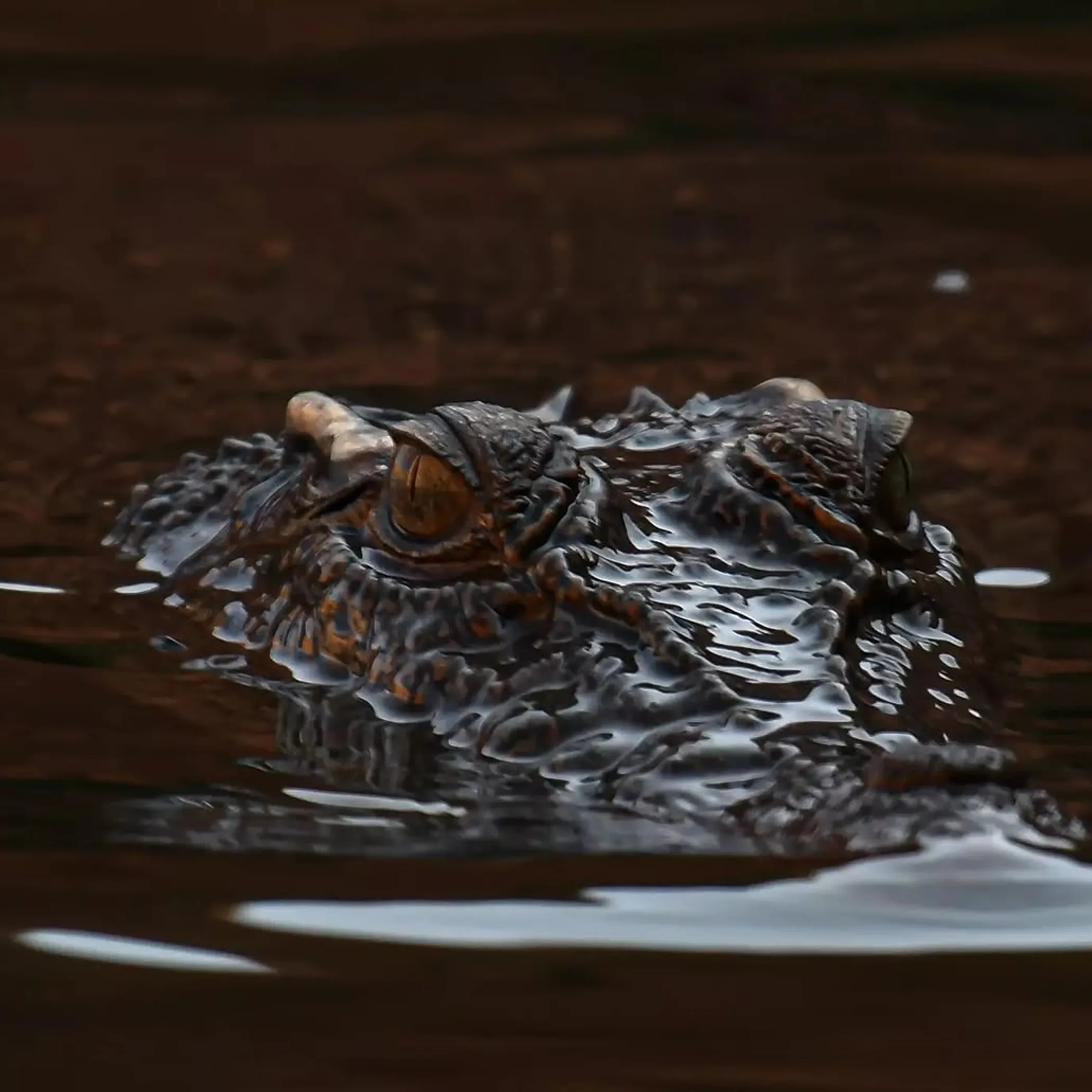
Where in Australia is the best spot for wild crocodiles?
The Adelaide River in the Darwin area is hard to beat for good guided viewing and ease of access. To get a fuller sense of the wetlands and wildlife there is Kakadu National Park. Travellers making their way to Far North Queensland will find the Daintree River suits them.
Near Darwin?
Guided cruises on the Adelaide River will put you in front of some crocodiles as will certain sections of Kakadu such as the Cahills Crossing and Yellow Water Billabong. But do check conditions before you go and use the areas set aside for viewing.
In Kakadu?
Yes, the park has plenty of habitat for the saltwater crocodile and you can view them from lookouts, platforms or on a cruise. A sighting is not something to be assured of though. Follow the park’s warnings and do not go near the water.
When is the time of year to do it?
In the dry season travel is less of an issue with more predictable facilities, roads and tours. The wet season in the north can be worth it but you run the risk of storms, cyclones and closures.
Is a tour in Australia a safe thing to do?
A reputable operator will have trained staff and maintain safety distances for controlled viewing. It is not without risk but it is managed so long as instructions are heeded. Shun any that would have you feeding or getting up close and personal with a crocodile on foot.
Plan A Croc-Wise Trip
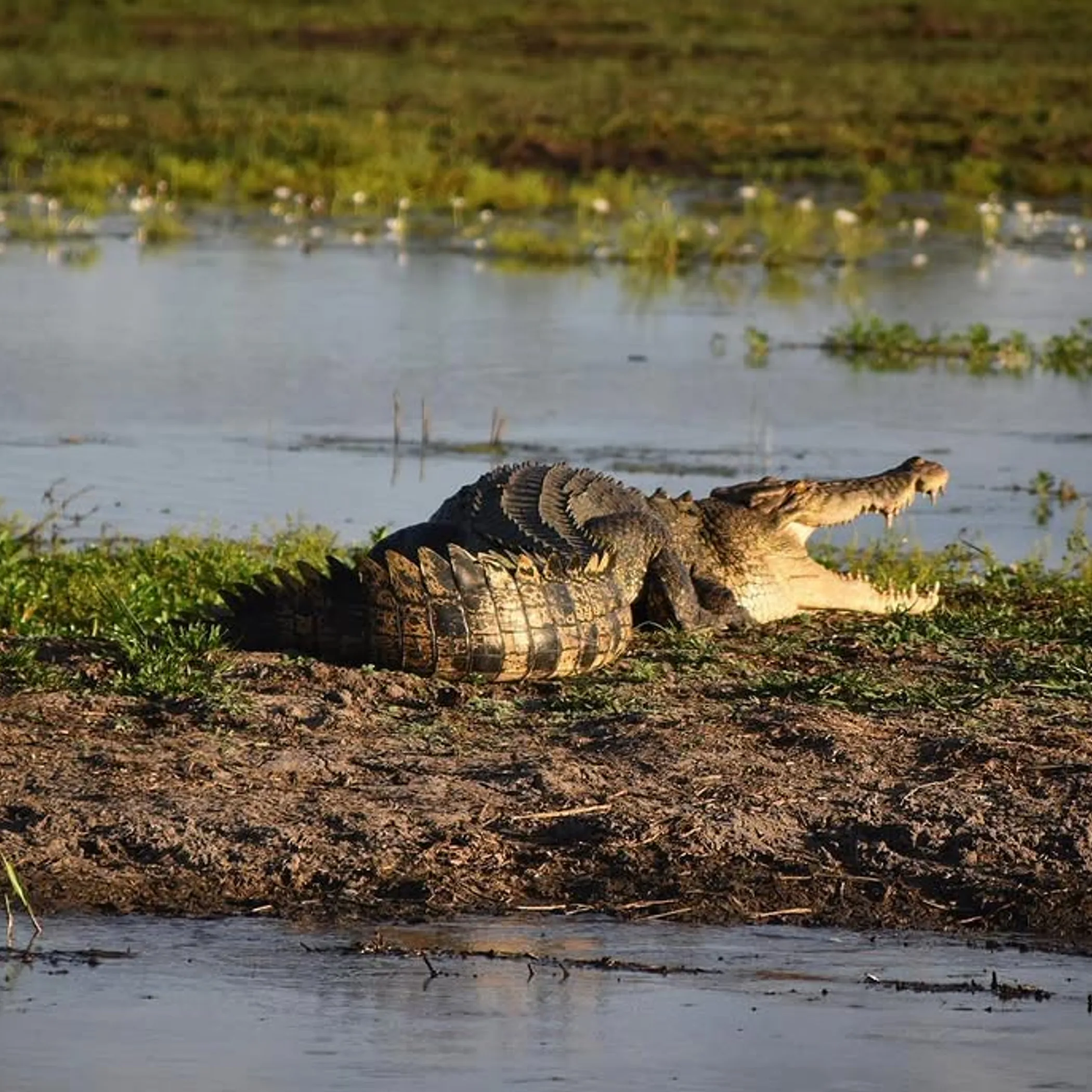
Darwin, the Adelaide River and Kakadu are where most will want to be in Australia to see crocodiles. For a rainforest experience there is the Daintree in Queensland, or the Kimberley and Ord River in Western Australia for those willing to put in the miles and deal with what comes.
If dependable logistics are required then book a guided cruise. Put some leeway in for bad weather and road delays. A warning sign is there for a reason. Let the tinnie be and keep your distance from the crocodiles; they are extraordinary to observe precisely because they are wild.
